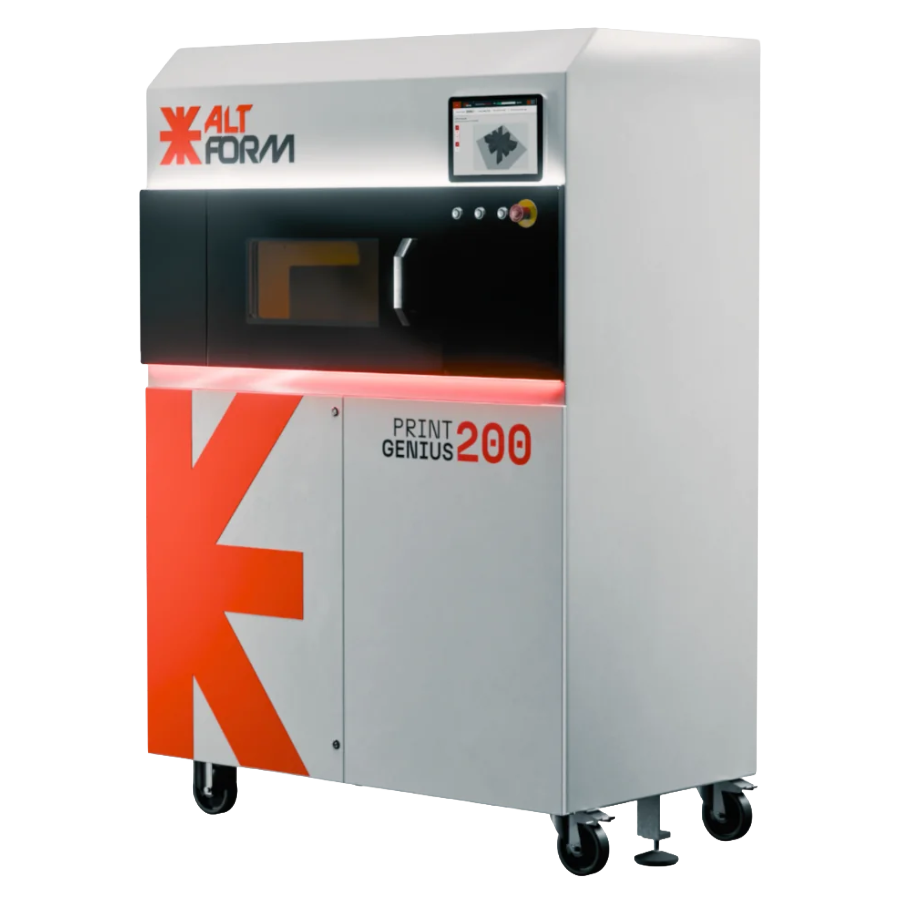
Description
Standard Features
- Two ytterbium fiber lasers, single mode infrared
- 100% laser overlap, both lasers reach the entire build area
- Dynamic load balancing across both lasers during the build
- 60 micron laser spot diameter on focus
- Layer thickness from 20 to 80 microns
- Cylindrical build area, Ø7.87″ x 7.87″ (Ø200 x 200 mm)
- Bidirectional recoater that spreads layers in both directions to speed up each pass
- Open Parameters architecture with full control of laser power, scan strategy, and layer thickness
- AI assistant built into the machine interface that suggests parameter adjustments as the build runs
- Predictive maintenance and anomaly detection
- Remote connectivity and monitoring from desktop or mobile
- Oxygen monitoring below 100 ppm (0.01%)
- Nitrogen or argon shielding gas
- Single-phase 220 V power supply
- Materialise Magics CAM software
Available Options
- Laser power configurations: 200 W, 300 W, or 500 W
Support From Sodick
- Tailored process parameter development
- Powder supply and qualification support
- Operator and engineering training
- Application and design support
Specifications
| Build Area | Ø7.87" (Ø200 mm) |
| Build Height | 7.87" (200 mm) |
| Laser Type | 2 x ytterbium fiber, single mode infrared |
| Laser Power | 200 W / 300 W / 500 W |
| Laser Spot Diameter | 60 microns (on focus) |
| Layer Thickness | 20 to 80 microns |
| Build Rate | Up to 50 cm³/h |
| Oxygen Monitoring | Below 100 ppm (0.01%) |
| Shielding Gas | Nitrogen, argon |
| Power Supply | 220 V / 32 A / 50 Hz |
| Machine Dimensions | 43.31" x 23.62" x 70.87" (1,100 x 600 x 1,800 mm) |
| Machine Weight | 3,307 lbs (1,500 kg) |
| CAM Software | Materialise Magics |
Compatible Materials
- Steel alloys
- Aluminum alloys
- Nickel alloys
- Titanium alloys
- Cobalt-chrome alloys
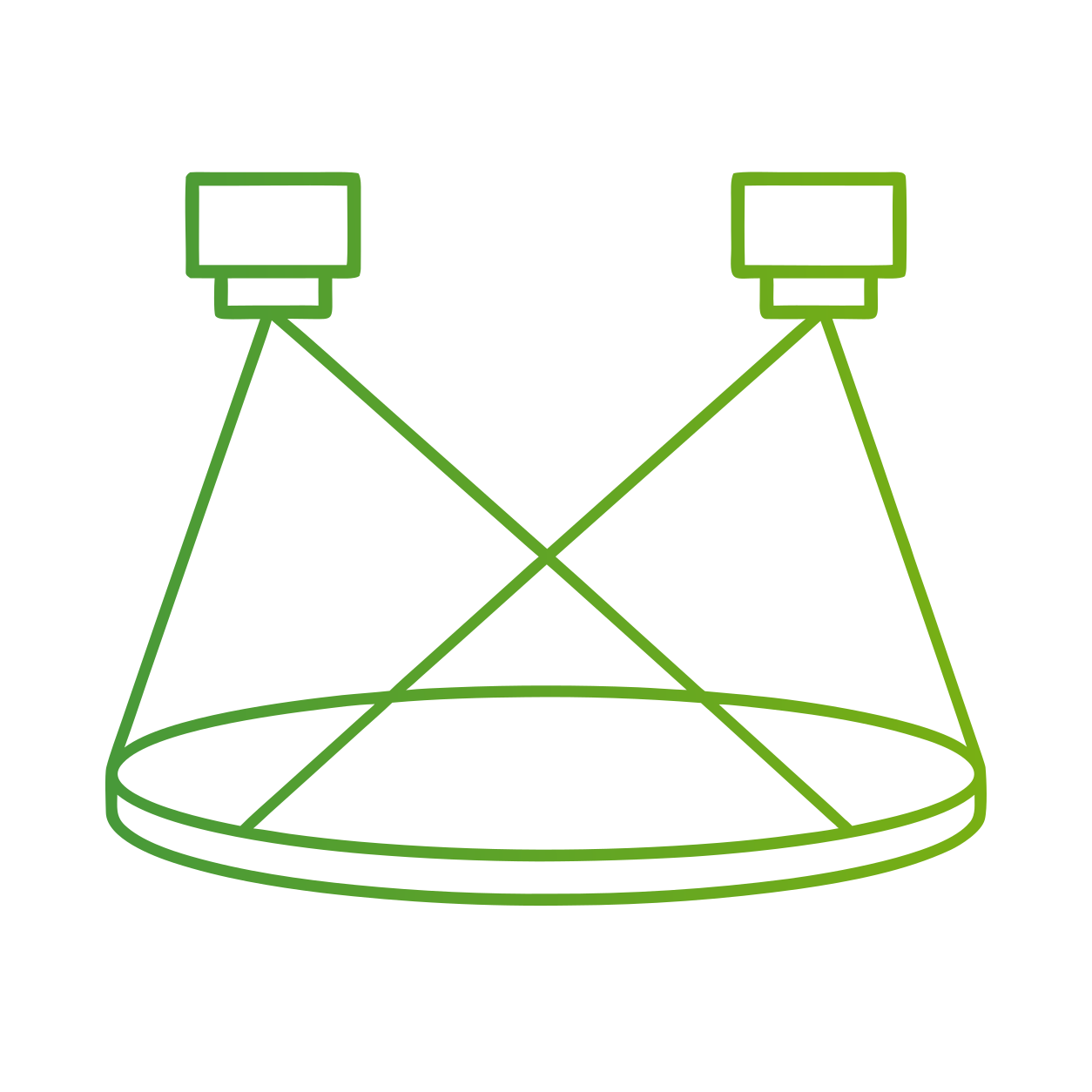
Consistent quality across the whole part
Both lasers have access to 100% of the build plate, and the machine distributes the work between them as the build progresses to avoid seams in your final part.
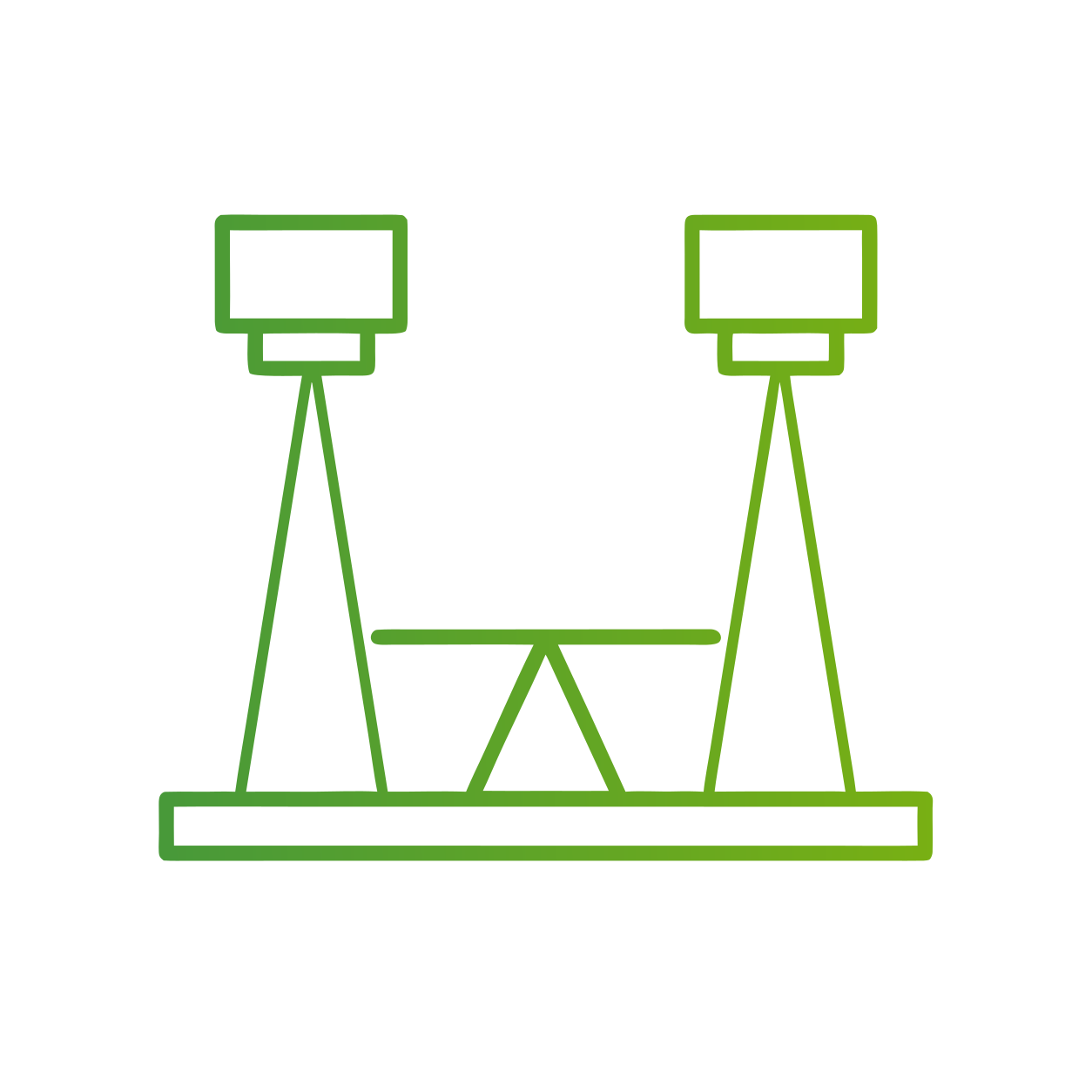
One process for your operators to learn
Load the model, set your parameters, start the build. The machine decides which laser handles what and rebalances as the geometry changes layer by layer.
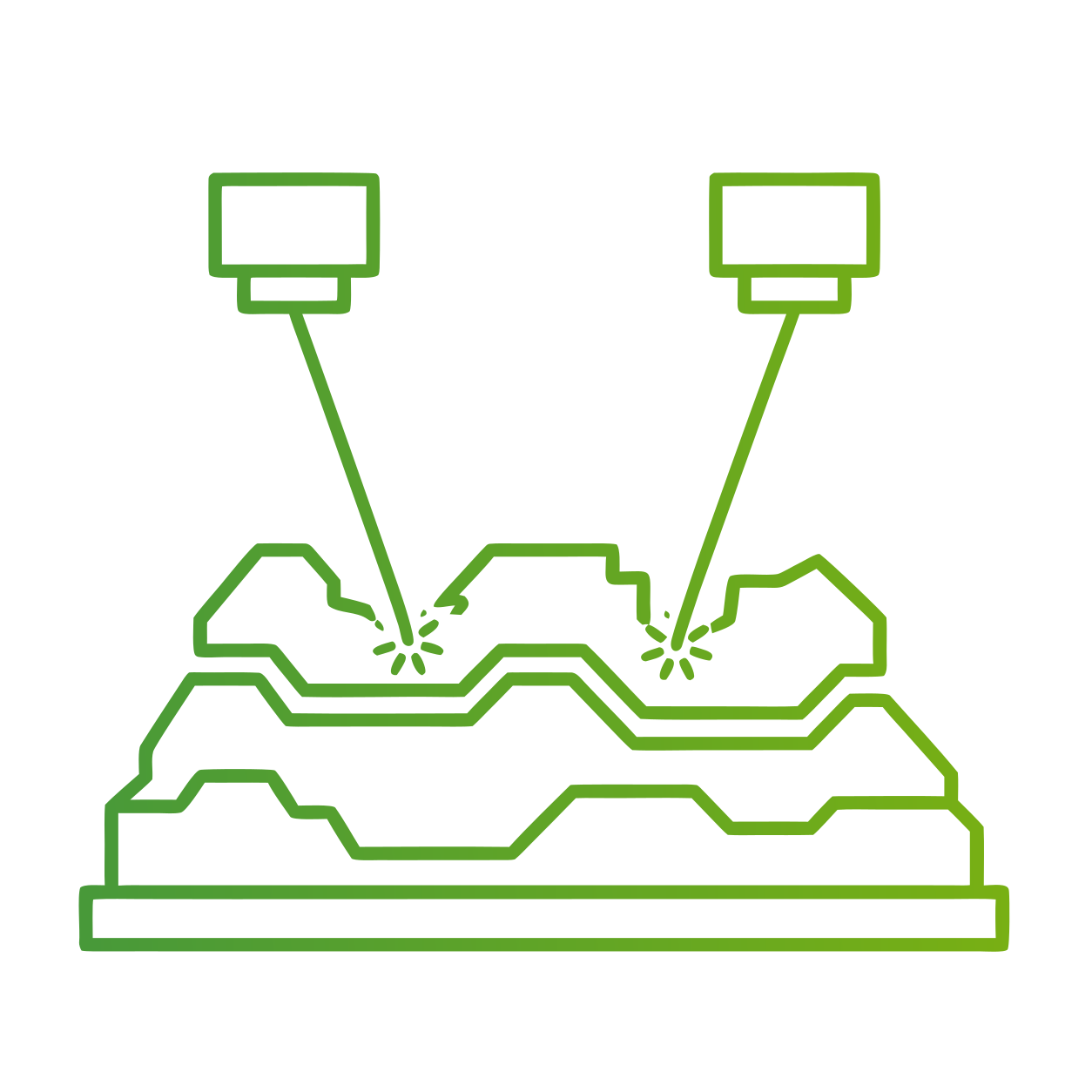
Throughput that scales with build capacity
A second laser pays back fastest on builds with complex geometries, where there is enough work in every layer to keep both sources busy.
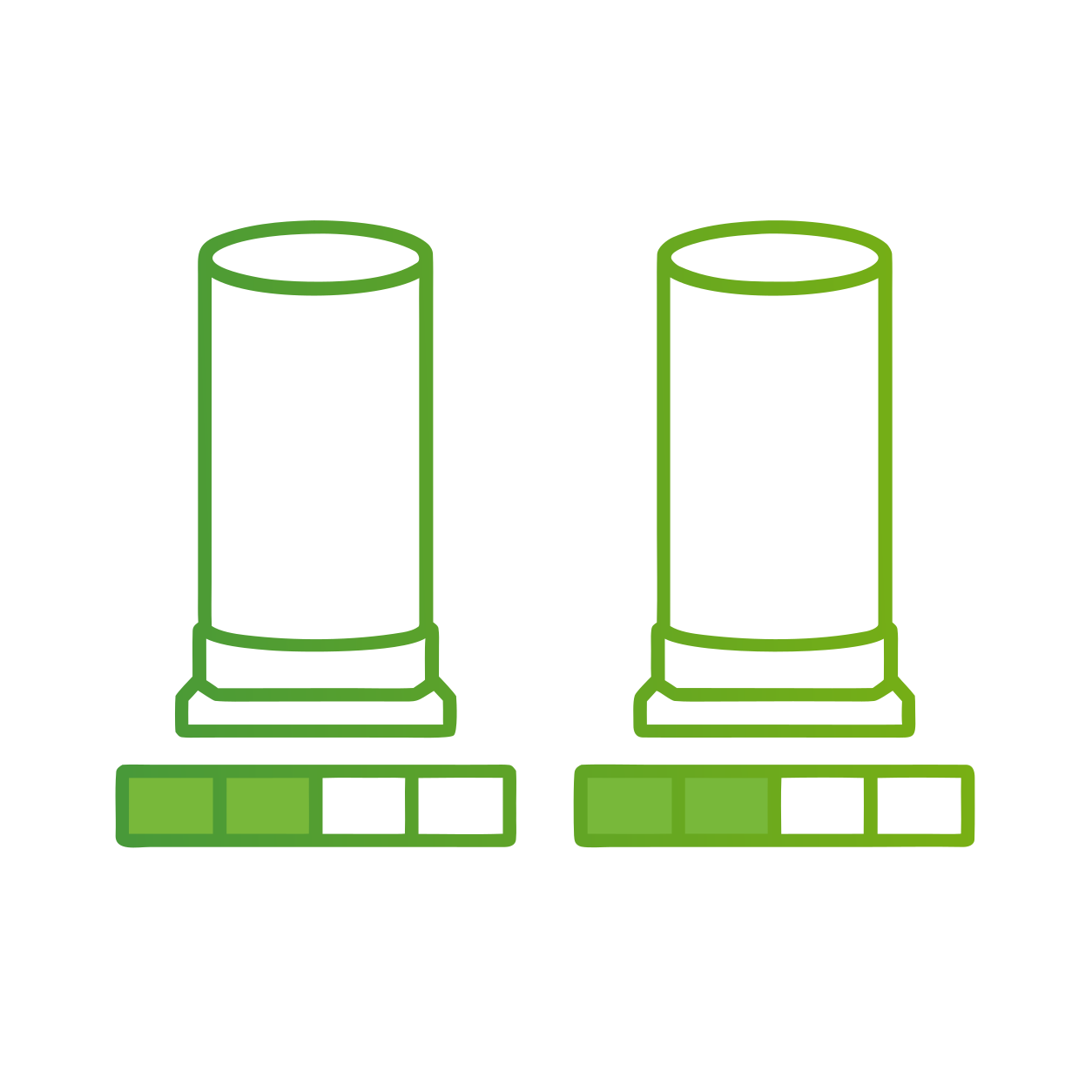
Longer laser life and lower cost per part
Balanced load means each source accumulates roughly half the total build hours, compared to a single laser setup. Wear spreads across both lasers, extending the interval before either one needs replacing.
How the AltForm Print Genius 200 compares
Features | AltForm Print Genius 200 | AltForm Print Sharp 200 | Other Dual-Laser Metal 3D Printers |
Build area | Ø7.87" (Ø200 mm) | Ø7.87" (Ø200 mm) | Varies |
Build height | 7.87" (200 mm) | 7.87" (200 mm) | Varies |
Lasers | Two | One | Two |
Laser coverage | |||
Zone seams in the finished part | |||
Load balancing | Not applicable | ||
Laser spot diameter | 60 microns | 60 microns | Typically 70 to 100 microns |
Minimum layer thickness | 20 microns | 20 microns | Typically 30 microns |
Operator workflow | |||
Process parameters | |||
Best For | Small-batch production at faster speeds where throughput is key | Qualification, prototyping, and batches where build time is not a constraint | General multi-laser production |


