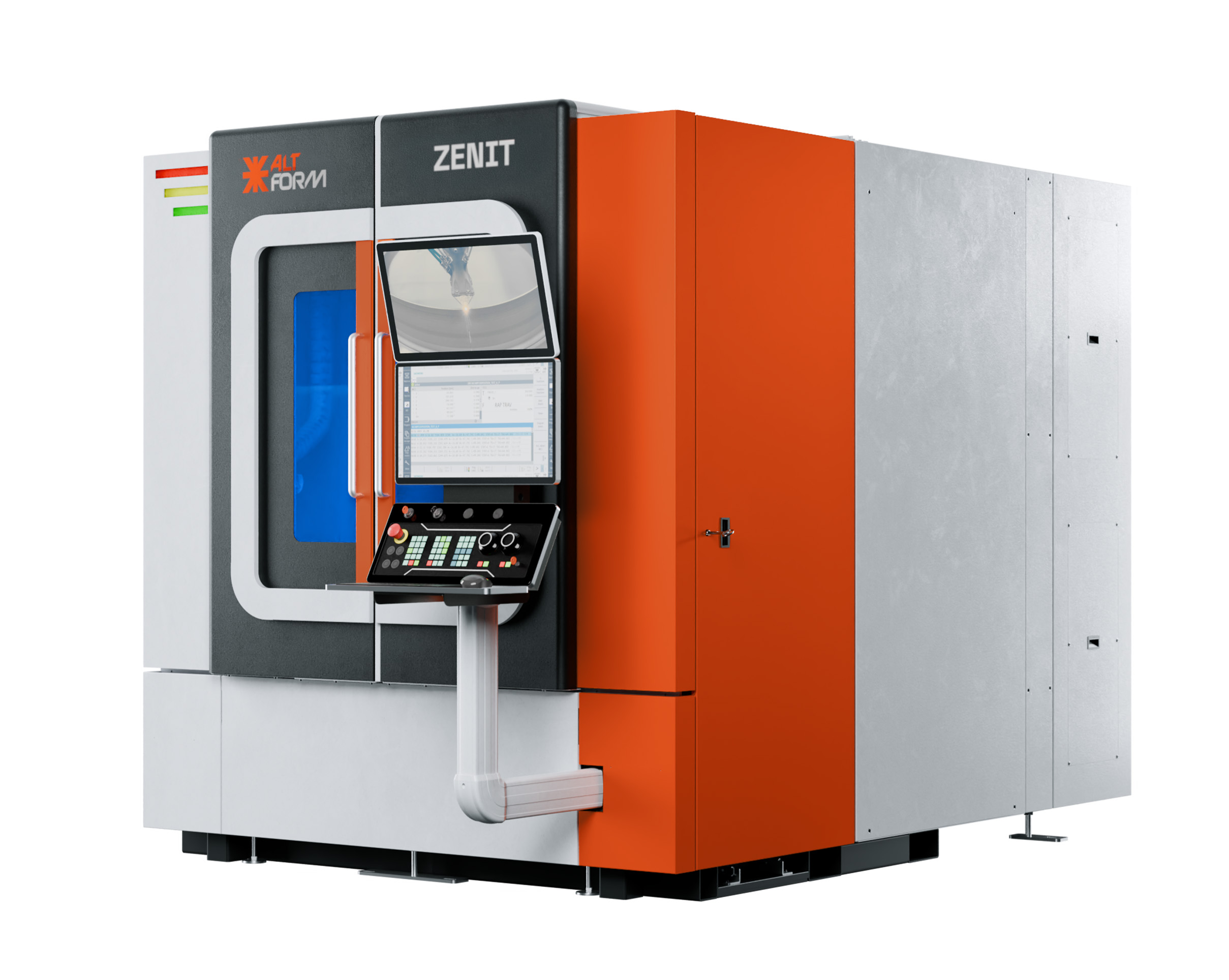
Description
Standard Features
- Modular robotic cell built for direct energy deposition and advanced laser processes
- Work envelope of 62.99″ x 47.24″ x 27.56″ (1,600 x 1,200 x 700 mm)
- Laser source from 2 kW
- Powder or wire feedstock
- Laser or electric arc energy source, including wire arc additive manufacturing
- Up to two deposition heads
- Siemens CNC control, with machine and robot programmed from one interface in standard G-code
- Metallurgical bond between deposited material and substrate
- Suited to building, repairing, cladding, and surface functionalization
Available Configurations
- Single process: One deposition process, full 62.99″ x 47.24″ x 27.56″ envelope.
- Multi process: Powder DED, wire DED, and wire arc additive manufacturing in one cell, full envelope.
- Inert gas chamber: Sealed argon atmosphere for reactive alloys, using AltForm’s patented rapid inerting. Envelope of 31.50″ x 31.50″ x 23.62″ (800 x 800 x 600 mm), customizable.
Available Options
- Remote laser welding and laser hardening on the same platform
- Automation level, from standalone cell through connected production line
- Robotic part handling and line integration
Support From Sodick
- Tailored process parameter development
- Powder and wire supply, with qualification support
- Operator and engineering training
- Application and design support
Specifications
| Work Envelope, single and multi process | 62.99" x 47.24" x 27.56" (1,600 x 1,200 x 700 mm) |
| Work Envelope, inert gas chamber | 31.50" x 31.50" x 23.62" (800 x 800 x 600 mm), customizable |
| Laser Power | 2 kW and above |
| Feedstock | Metal wire or metal powder |
| Energy Source | Laser or electric arc |
| Deposition Heads | Up to two, running simultaneously |
| Atmosphere | Open, or sealed inert chamber with patented rapid inerting |
| Shielding Gas | Argon for reactive alloys |
| Control System | Siemens CNC, standard G-code, single interface for machine and robot |
| Machine Dimensions | 140 (W) x 108 (D) x 95.5 (H) in (3552 x 2751 x 2425 mm) |
| Machine Weight | 8,800 lb (4,000 kg) |
| Power Supply | 480V / 60 Hz / 20 kW |
Compatible Materials
- Steel alloys
- Aluminum alloys
- Nickel alloys
- Titanium alloys
- Cobalt-chrome alloys

Rebuild tooling instead of replacing it
A production mold represents six figures of tooling and months of lead time. The
ZENIT Cell allows you to repair instead of replace. The process deposits new material into the worn area so the tool can be ground and polished back to spec.

One cell for building, repairing, and coating
Wire deposition lays material down fast for large structural builds. Powder deposition gives finer control where dimensional accuracy and surface definition matter. Cladding applies a wear or corrosion layer that bonds metallurgically to the part underneath. A multi-process cell does all three, and two heads can run at once.

User friendly for CNC programmers
The cell runs on Siemens control, and the machine and the robot are programmed from one interface in standard G-code. The people who already program your machine tools can program this, using a language and a control system they know.
ZENIT Cell Available Configurations
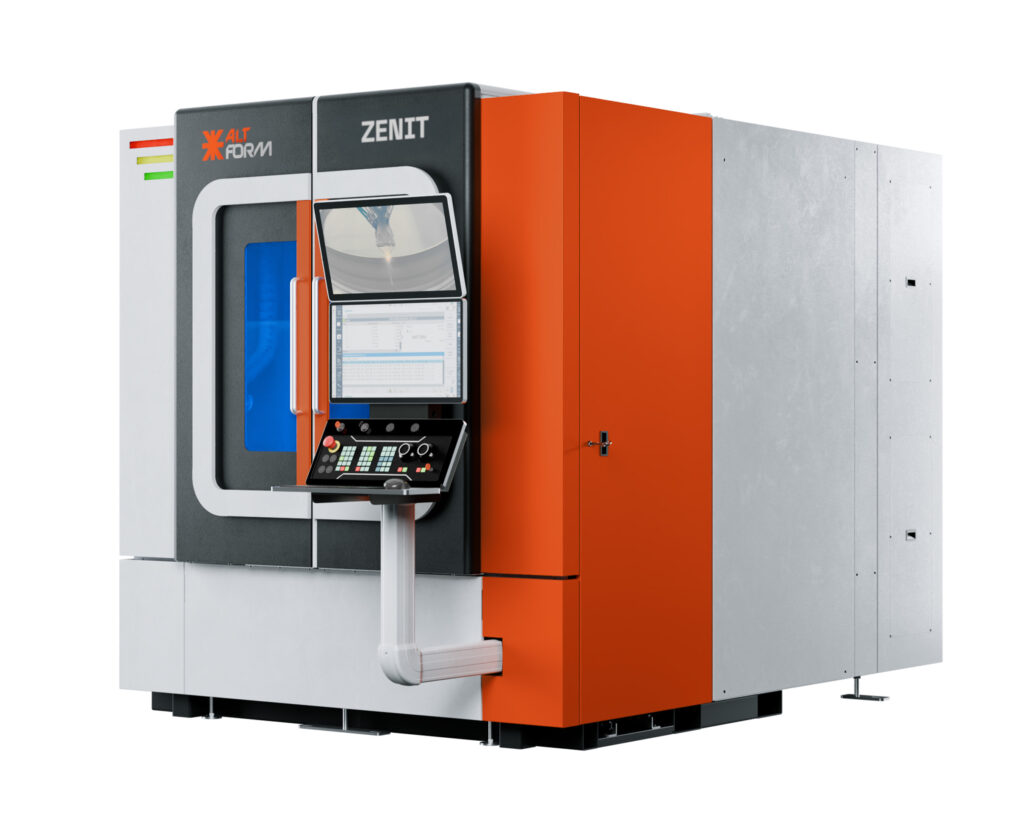
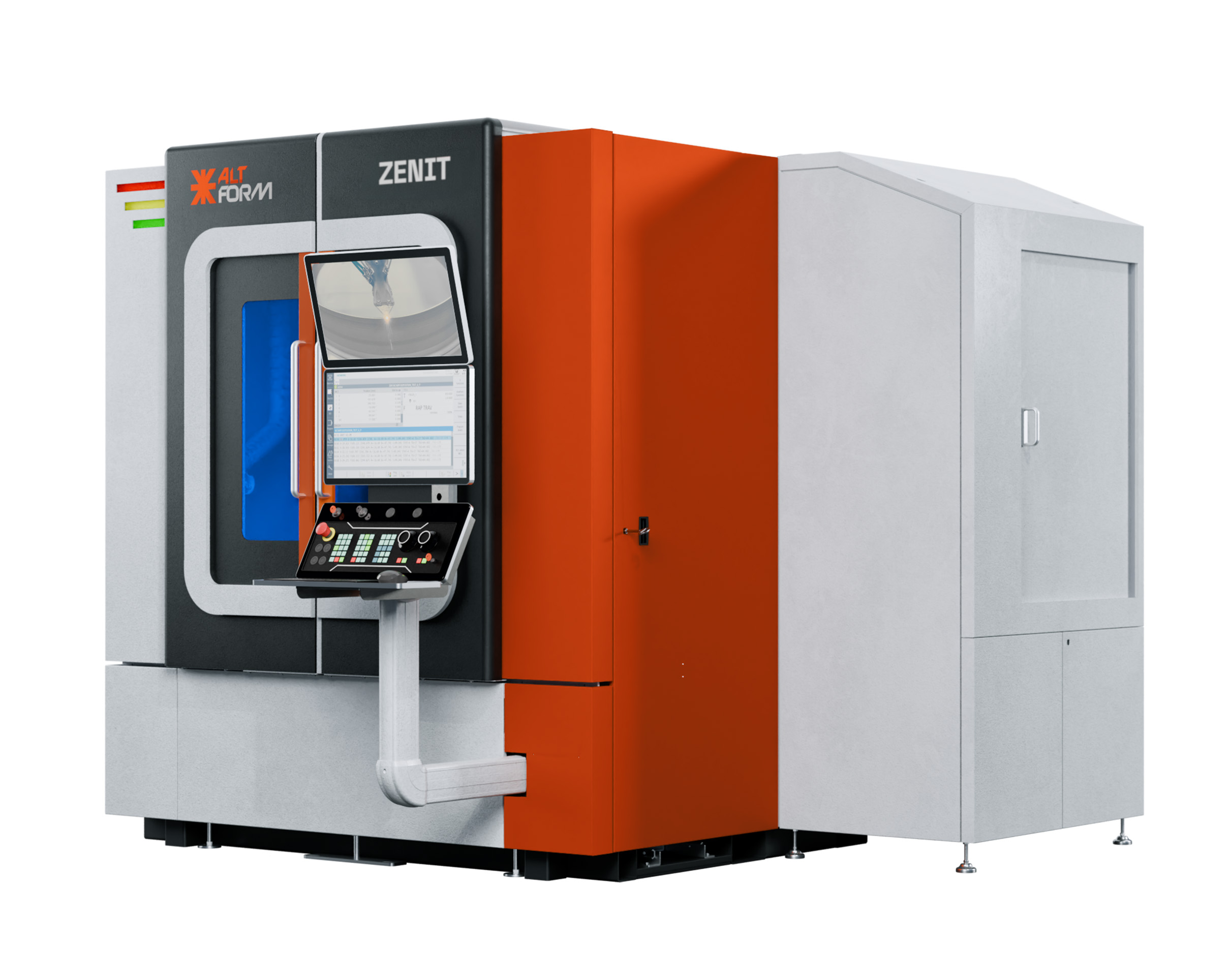
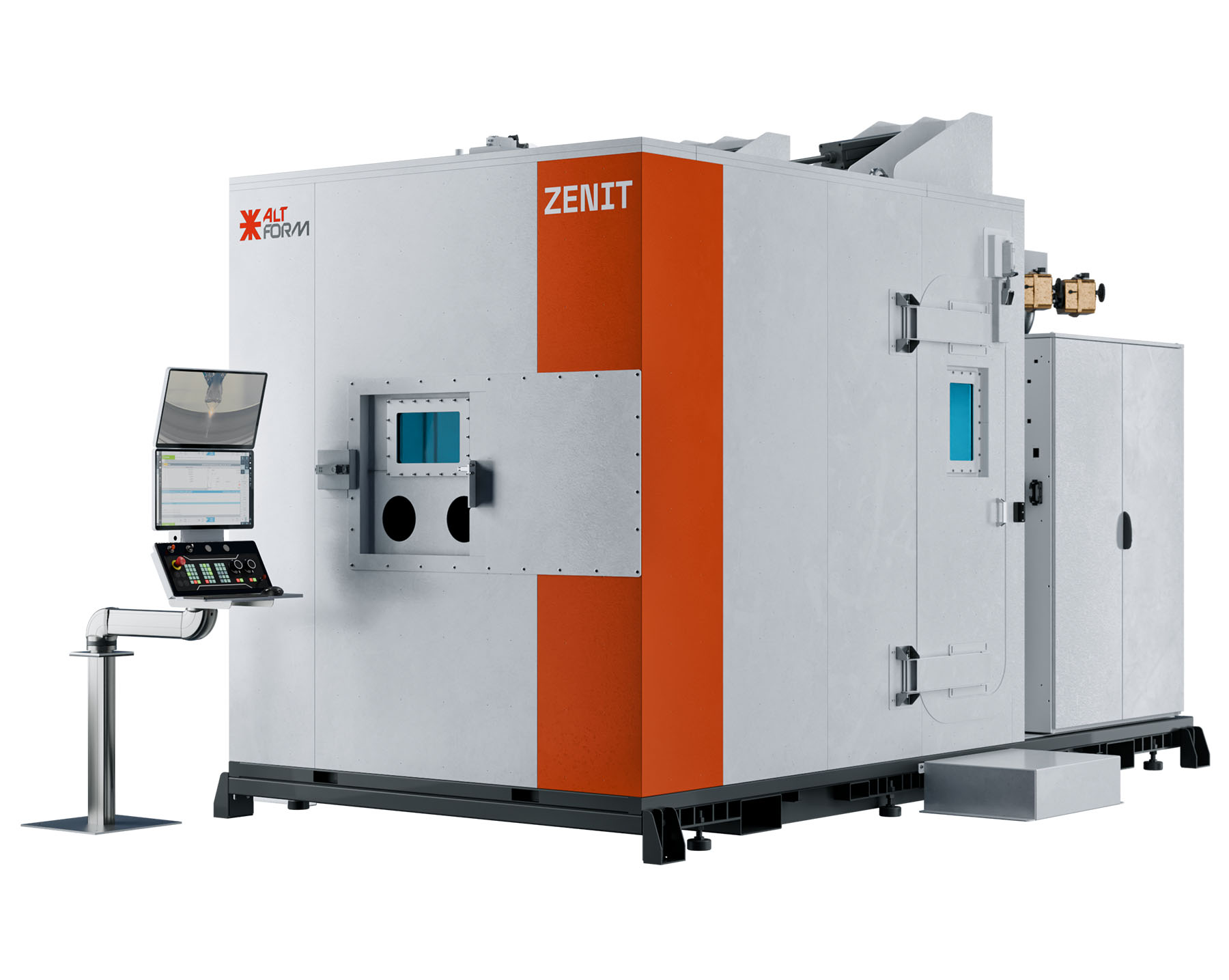
How the ZENIT Cell compares
Features | Single Process | Multi Process | Inert Gas Chamber |
Work envelope | 62.99" x 47.24" x 27.56" | 62.99" x 47.24" x 27.56" | 31.50" x 31.50" x 23.62", customizable |
Laser power | From 2 kW | From 2 kW | From 2 kW |
Powder deposition | |||
Wire deposition | |||
Wire arc additive | |||
Two heads at once | |||
Sealed inert atmosphere | |||
Reactive alloys, titanium and aluminum | |||
Control | |||
Best For | A single, well-defined process at full size | Shops that build, repair, and clad on one cell | Titanium, aluminum, and reactive alloy work |


